

I am a Melbourne-based freelance print journalist with over a decade of experience reporting around the world. My writing wanders across different styles and topics; I report on everything from history to travel (with lots of culinary pitstops along the way). My words have appeared in publications including The Sydney Morning Herald/The Age, Good Food and Broadsheet.
Featured Work

Twitter killers: Japan’s children snared by social media crime
PUBLICTION
The Sydney Morning Herald / The Age
SNIPPET
Tokyo: Last February, a 14-year-old girl arrived at a Tokyo train station to meet Ryusei Nakama, a 21-year-old ramen shop worker from the city’s bustling harbourside Shinagawa neighbourhood.
Nakama, who was later arrested on suspicion of kidnapping, had contacted the teenager four days earlier on Twitter, saying he wanted to “shelter her” after learning about the girl’s abusive father, he later he later told police. Along with another 18-year-old male, she spent more than 10 days in his apartment.
A month earlier, 28-year-old Asahi Shimbun newspaper delivery man Kazunari Saito had raped and attempted to murder a teenage girl he became acquainted with online.
Saito had lured the girl, who was allegedly suicidal, into his residence and strangled her with a plastic rope. According to Saito the girl, who managed to escape the following morning, said she “wanted to die” on Twitter.

A field guide to Melbourne’s top sushi rolls
PUBLICATION
The Age (Good Food)
SNIPPET
Like many mid-Millennial Australians, I’ve been a frequent consumer of grab-and-go sushi hand rolls since they came along in the 1990s. They’re affordable and unfussy, and they take the guesswork out of lunch. What’s not to love?
Well, plenty. While some of our favourite lunchtime staples – from sandwiches to salads – have been elevated in recent years, the majority of hand rolls remain as cold and stodgy as ever.
But times appear to be changing. Stylish Nori Maki in Melbourne’s CBD is among a small but growing list of Melbourne establishments taking extra steps to elevate the grab-and-go favourite.
A Guide to Victoria’s High Country Huts
PUBLICTION
Broadsheet
SNIPPET
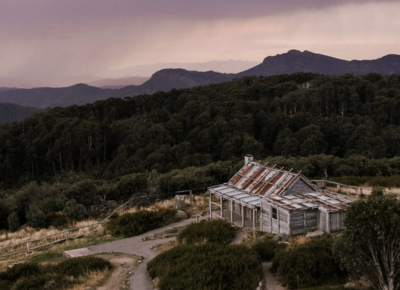
Alpine bush huts have played a vital role in the Victorian High Country for generations. The first were built in the mid-to-late 1800s, initially for workers like miners, cattlemen, foresters and loggers to shelter in. These simple structures were typically left unlocked and stocked with matches and dry firewood for anyone who needed them – supplies that could mean the difference between life and death.
Today, there are around 175 huts in the region – some relics from those early years of frontier work, others purpose-built in more recent decades as refuges for hikers and backcountry skiers.

Guerilla Napping:
A How-To
PUBLICTION
Broadsheet
SNIPPET
I need to nap. Though I rarely actually fall asleep, without a meditative 20 minutes of simulated rest during the day, I’m nowhere near my best. In the past I lived in Tokyo, a napper’s paradise, and worked in an office with a reclining massage chair in one break room and a camp bed in another. They were places to get away from it all, shut the door, close my eyes, recharge. It was nappin’ wonderful.
Melbourne is a different story. I’m sure there are many lovely exceptions, but it’s my experience that break rooms in this city don’t pass muster, nap-wise. Too many odious tuna salads, noisy coffee machines and jarring fluorescent overhead lights. So I’ve had to resort to guerrilla tactics to find my optimal nap space in this town.

Oysters:
An Explainer
PUBLICTION
Broadsheet
SNIPPET
I have a small confession to make. After a lifetime of avoidance and utter disgust, I reluctantly slid back my very first oyster about 18 months ago. I’ll never forget it: a punchy, oceanic rush of complex yet familiar flavours, like diving into the sea. A food that I’d avoided my entire childhood suddenly made me feel like a kid splashing around the water.
I fell hook, line and sinker.
The subsequent months have taught me a few things about oysters. Namely that – like many of life’s sweeter things – they’re surrounded by plenty of misinformation. One such fallacy gave me reason to avoid them all those years, and that’s the myth that they must be swallowed whole, which is an idea many oyster veterans reject. So, to get things rolling, here’s rule number one: chew them before you swallow.
A beginner’s guide to the three tiers of Japanese food
PUBLICATION
The Age (Good Food)
SNIPPET
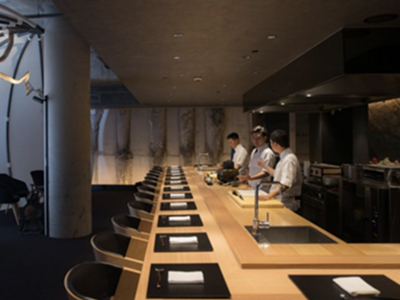
There’s no such thing as a “Japanese restaurant” in Japan – at least in the sprawling tradition that we’ve become accustomed to over the years (think sushi, yakisoba and teriyaki chicken all in one sitting).
In Japan, local dining spans an array of restaurants that often serve only a few variations of one dish. If you want Japanese curry in Japan, you go to a curry house. Fancy some eel on rice? Head to an unagi restaurant.
Specialist restaurants are appearing in Melbourne, from Collingwood okonomiyaki (savoury pancake) cafe Papirica, to the CBD’s Saint Dreux katsu sandwich bar and tonkatsu (crumbed pork) joint Gypsy & Pig.